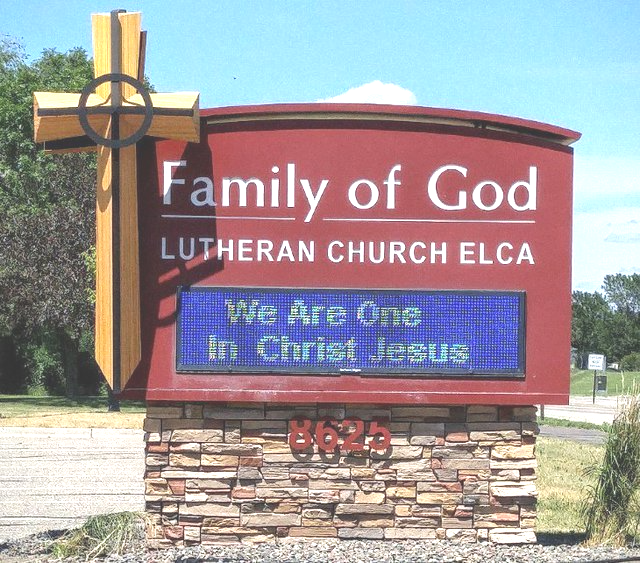

Family of God Lutheran Church
YouTube Channel
To view the livestream:
- go to our YouTube channel
- click on "Live" on the horizontal menu, and select the video you wish to view. Typically the Sunday livestream will say "Upcoming" if you go to the channel prior to the start time.
Additionally, you can turn your YouTube notifications on in Settings so you will be alerted when Family of God goes live!
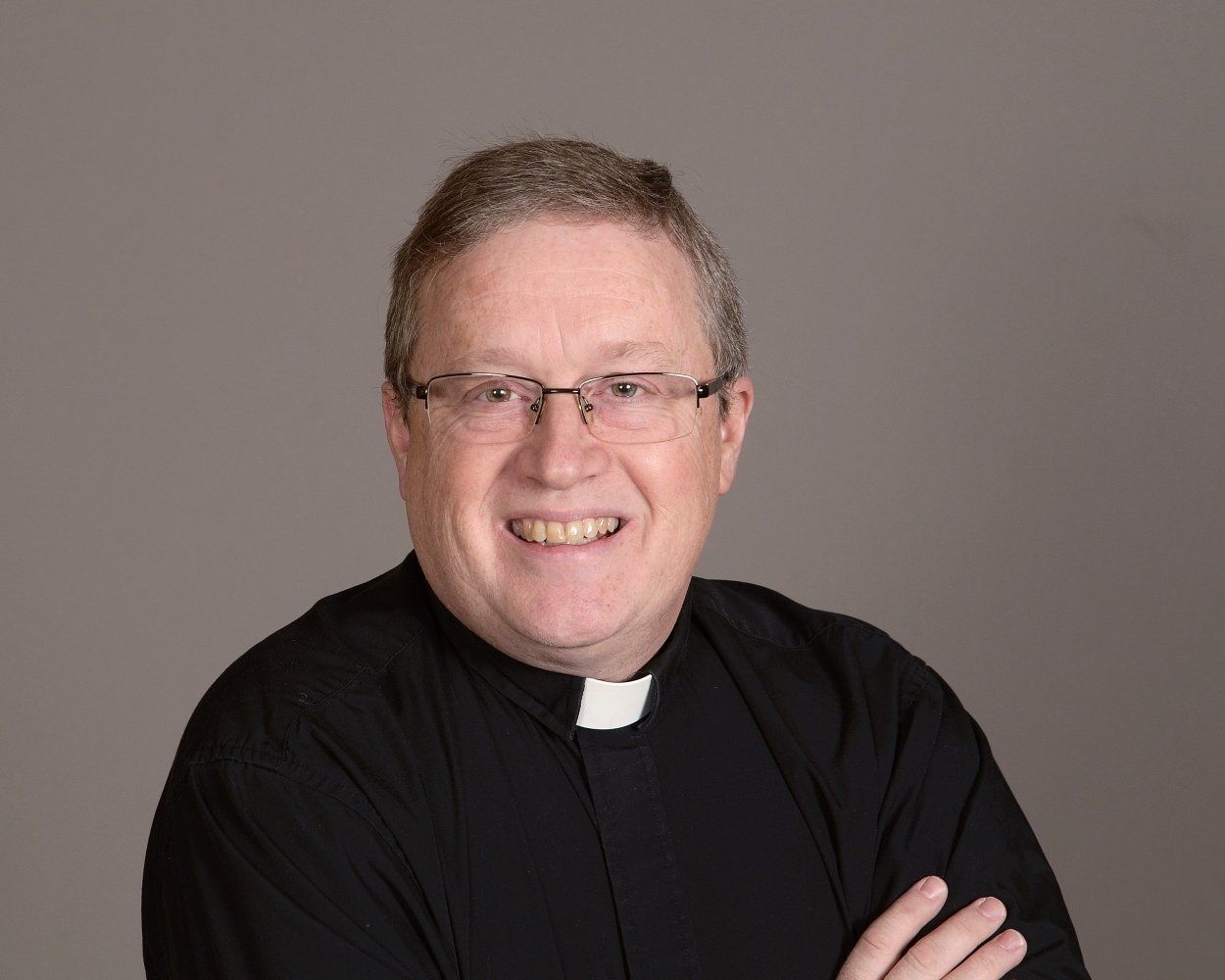
A Message From Pastor Paul
October 2026 Newsletter
In third grade, I remember praying that Jesus wouldn't come back that day, because I felt I didn't have enough faith, and I would be thrown in hell. I don't know where I got that idea, but somehow it became a view I accepted as true, and it made me scared, which is not what Christians should be thinking.
At the end of this month, Sunday, October 25th, we will remember Martin Luther and the Reformation. It is not a time to proclaim we are better than anyone else. But it is a Sunday to sing hymns written by Luther and other Lutheran hymn writers, to hear the freeing words of the Gospel, and to thank God for the untarnished good news of Jesus Christ, which Luther and others proclaimed when the Gospel was being obscured.
The Gospel can be obscured in many ways, because it is not the way the world works. Lutherans speak of God's grace that makes us righteous before God, but it is easy to fall into some significant traps that make grace "ungrace," like what I described about my third grade experience. Faith is a gift of the Holy Spirit and we cannot compare one person's faith with another's. The good news of Jesus does not grade you on how much faith you have otherwise faith would turn into a good work which nullifies the grace of God.
There are other ways the Gospel can be obscured. Some people teach that grace is infused in us by God so that we can have the ability do good works by which we are judged. In other words, we are saved by grace, but there is still a work that needs to be done to prove our faith before God. That is salvation by works, and an ungospel. Others say we have to make a declaration of faith to be a Christian, pray a sinner's prayer, or come down to an altar call, which means that faith is an exercise of our will, and that our place before God is once again because of a work we do. Some say we are saved by prevenient grace, which is grace given to us before our conversion, and we still have to do something, like pray the sinner's prayer. This is also a work.
There are other traps as well. But as Lutherans, we believe we are saved by grace alone, that is, without anything on our part. In fact, the reformers dared to say that if we had our way, our will would never choose to trust God. That shows the depth of our hopelessness when we rely on ourselves and not God.
Grace is the gift of God, a pure gift, given without strings attached. We trust that God through Jesus has proclaimed us innocent of our sin, which He takes upon himself. And we can do nothing to help this. What a promise! What a gift! Such a gift to be totally free from the conditions which demand we do something of our own free will. I wish I learned that in third grade. In fact, it took me many years for this Good News to sink in.
"What??? I don't have to do anything?" some say. "That can't be true! I, and I mean I have to do something for God to declare me righteous. You mean I cannot do anything?" Yes. It is true. So preaches Scripture, and we need to be reminded of this, because that is not the way the world works. In the world, we get what we deserve, but that is not the Gospel of Jesus Christ.
Many say they have found Jesus, to which some respond: "I never knew He was lost." Humor aside, another hat I saw says "Jesus found me." Ah, there we go. We don't find Jesus, Jesus finds us, like a lost sheep, and claims us, redeems us, and pours out the Holy Spirit on us so that faith in that promise becomes life changing.
Thanks be to God for these words of promise, this Good News of Jesus Christ.

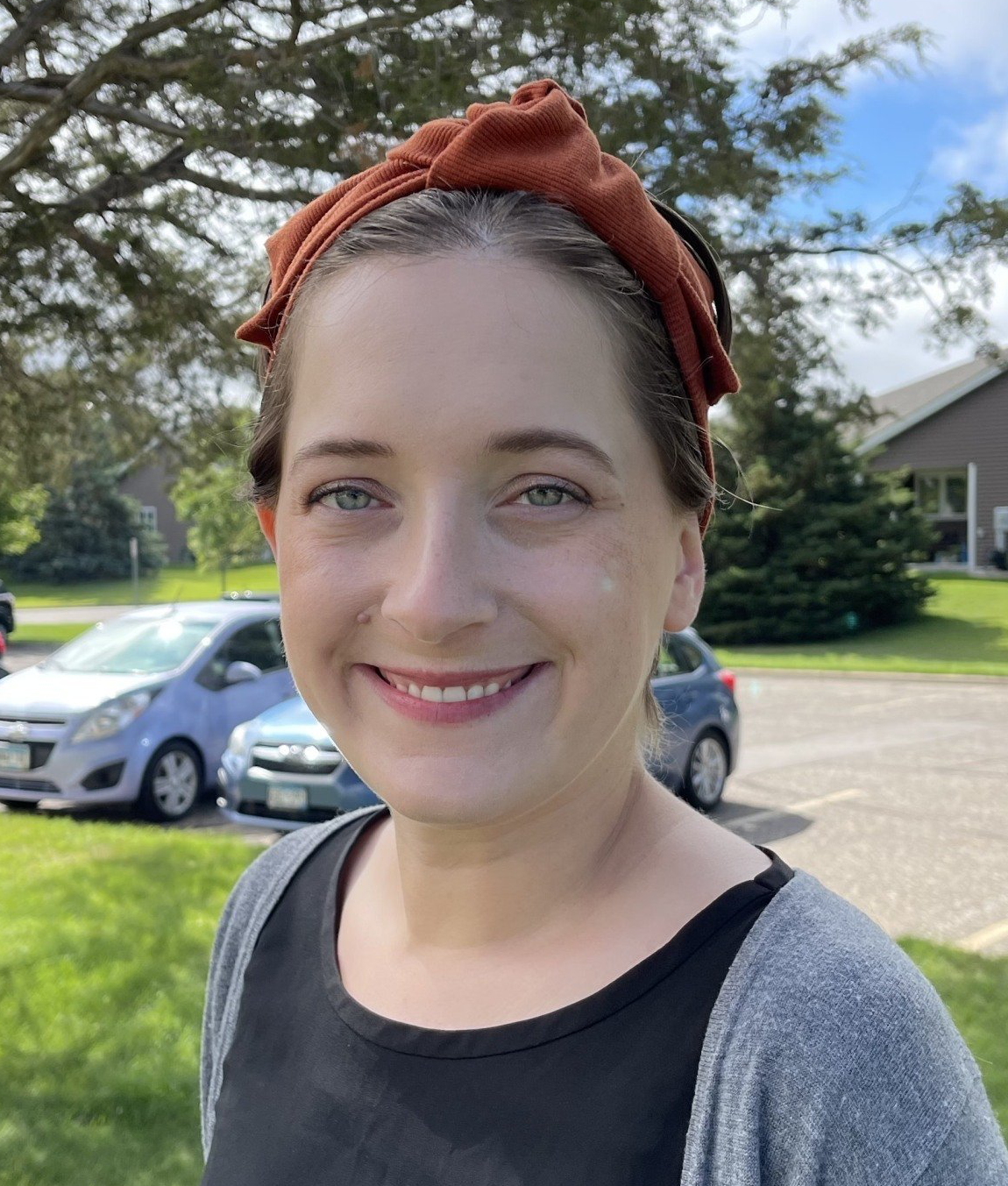
A Message From Pastor Erin
October 2026 Newsletter
Greetings to everyone at Family of God -
Recently, we had our kickoff for the 2026- 2027 confirmation year. If you don't currently have a young person in your family in this class, you probably don't know what we get up to these days. I want to change that! I know that our members are eager to encourage and support our youth. The more we're all in the know about our youth programs, the more we are able to do that.
This year, confirmation will be meeting before worship. This is a schedule we adopted last year. Even though 8:30AM feels awfully early, overall it worked well for everyone. We do one lesson and then wrap up shortly before worship. During worship, every student is required to "pick something" to do. This can be serving as an acolyte, assisting with communion distribution, volunteering at Sunday School, or another appropriate activity. It drives home that we are all not just passive recipients when we are at church, but actively involved in unique ways in our community of faith.
The youth also have to complete sermon notes. I haven't been completely satisfied with the different templates we've had over the years, so I revamped them this year. The students need to choose five of a total of ten potential prompts to answer. They include questions like "if you could ask the pastors to preach on one topic, what would it be and why?" and "I talked with my parent/guardian/other adult about the message after the service today, and here's what we discussed." My hope is that these questions will engage the students and encourage thoughtful responses.
At our kickoff, we also discussed some possible ways to gather outside of the classroom. One of the opportunities I'm excited about is a field trip to other communities of faith. In the past, we've visited a nearby synagogue and the cathedral in St. Paul. It helps to learn that there are other ways of worshipping. Understanding other faith traditions also sheds light on our own. We can learn about what is specific to us and why. So, if you don't see me on a Sunday in the coming months, there's a good chance that our confirmation youth and I are at another congregation for the morning!
We have a lot of fun possibilities for this confirmation year. By no means is this an exhaustive list of everything we'll get up to, but it should give you a sense of what the year will hold. Our confirmation youth are bright individuals who all add something unique to our congregation. I am so thankful to spend time with them and look forward to learning together.
Blessings to you and your loved ones!
- Pr. Erin Koster
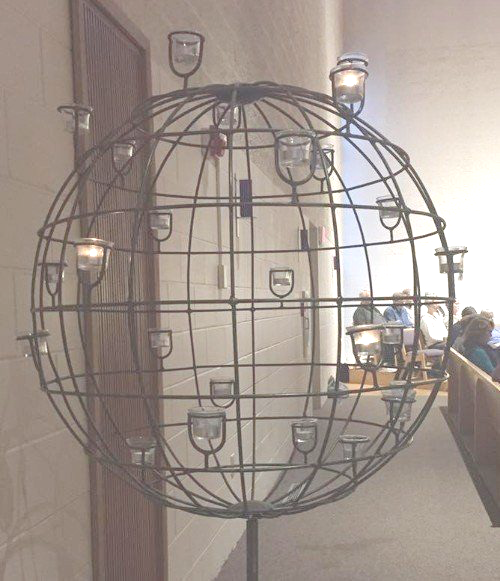
The Lighted Globe:
The Lighted Globe at the back of the sanctuary is for the lighting of a votive candle by anyone wishing to express a particular prayer or hope in this symbolic way. Candles remain lit after all have gone, a visible sign of the prayers of our community of faith "for the whole people of God, and for all people according to their needs."
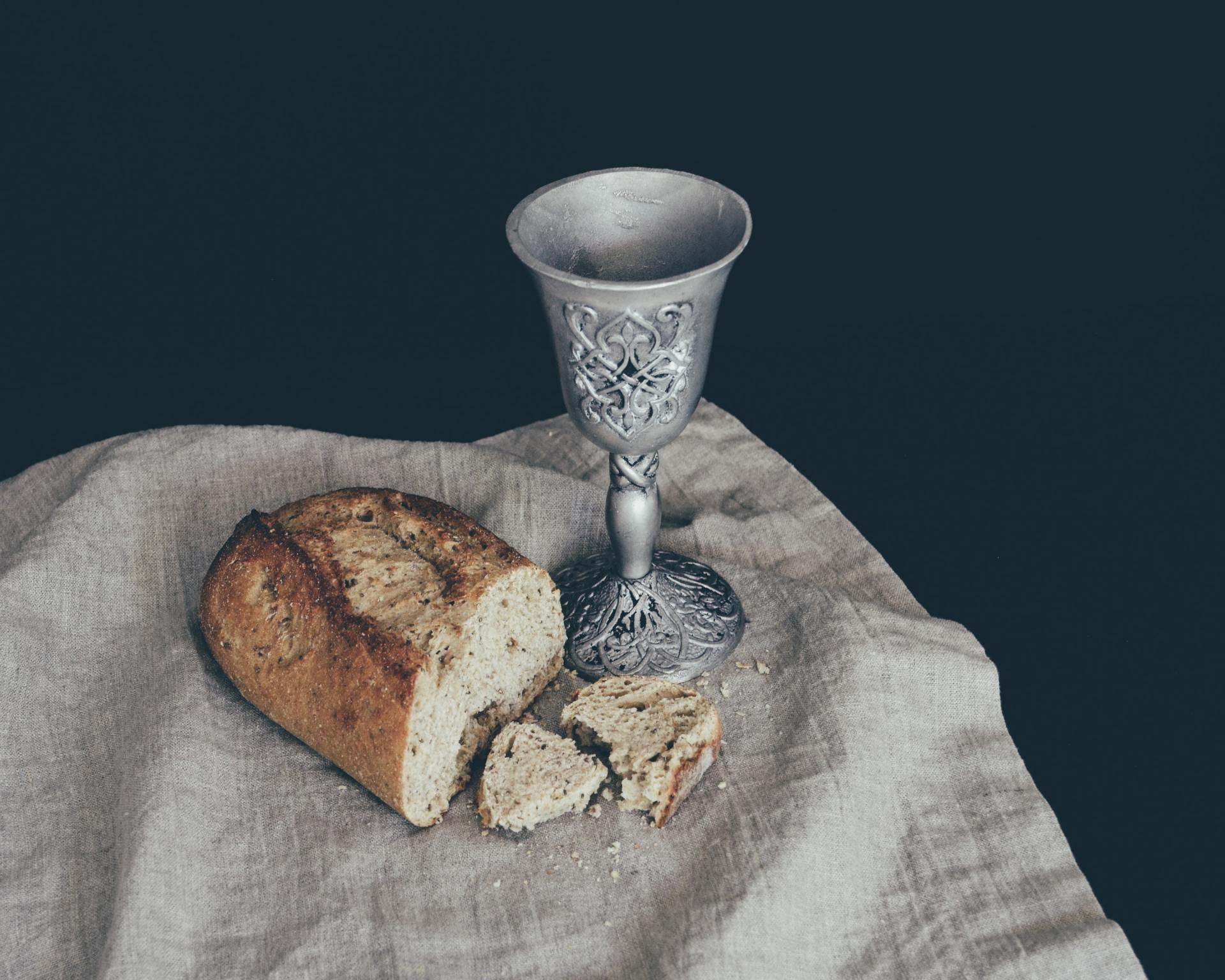
Holy Communion:
All baptized persons are welcome who believe Christ comes to us in the bread and the wine to bring forgiveness, life, and salvation. Children not yet communing come forward for a blessing. Children receive instruction and usually have First Communion in Fifth grade. We receive the sacrament standing. Grape juice is available.
Follow us on Facebook
Worship with Holy Communion
(Current Season)
Regular Worship
(September - May)
Sundays - In Person and
Live-Streamed
9:30 am
Summer Worship
(June - August)
Sundays - In Person and
Live-Streamed
9:30 am
Interested in making your own communion bread just like we use at church for the coming services? Click the yellow button to view/download the recipe from Jane Nelson.
Children in Church
Children in Church: At Family of God, as Jesus did, we welcome children of all ages as integral members of the body of Christ, and we welcome the sounds and activity that accompany them! There are a number of spaces and activities designed for children to experience and participate in worship according to their needs (see reverse); we trust families to work out the best option(s) for them and their child(ren) on any given day. We also understand that it takes a village to raise a child. A few tips for engaging families with small children include:
- Greeting/learning the names of the young children who sit near you in worship.
- Offering to read or color with one child during worship, especially if another child in the family is especially fussy or upset.
- Helping preschoolers and elementary-aged kids to navigate the liturgy, locate the hymns, etc. (Children learn to worship by participating!)
- Inviting kids to serve alongside you in worship, as greeters, ushers, etc.
- Recognizing that certain conditions or disabilities don’t present physically, and some children (and adults) may make noises or act in ways that seem strange or upsetting, but are perfectly normal for their situation.
- Celebrating that God put the wiggle in children, and that children’s “mode of being” in worship is intrinsically more vocal and more physical than that of adults.
Busy Bags:
Located in the back of the sanctuary, these bags contains books, crayons, toys, figures, and other things to keep little hands busy and occupied. Children’s Bibles and Bible Story coloring sheets are also available, near the busy bags, and Scribble cards are located in the pew racks.
Family of God Sunday School:
See CYF/Sunday School pages. FOG students (3 years olds - 5th grade) worship with their families through the children’s sermon, then attend FOG Sunday School classes through the end of the service.
Nursery: If your little one simply needs a break, a nursery is staffed through every Sunday worship service for children from birth to 3 years of age.
*In order to comply with Family of God’s Child Policy, parents and guardians are asked to pick up their own children from both the nursery and FOG classrooms rather then, for example, allowing one parent to pick up children from two families. Thanks for understanding.